How to Choose the Right Camel Desert Safari Dubai Experience
Choosing a Camel Desert Safari Dubai experience is less about picking the first option you see and more about matching the day to your needs. Desert trips can vary widely in pace, comfort, group size, timing, and the balance between wildlife, culture, and adventure. A little planning before you book helps you avoid surprises and makes the day feel easy from start to finish.
Start by deciding what you want the day to feel like. Some people picture a calm ride across open sand with time for photos and quiet views. Others want a fuller outing with several activities, entertainment, and food included. Both can work well, but they suit different moods. If you are travelling with young children, older relatives, or anyone who prefers a slower pace, look for an option with clear rest periods and straightforward timings. If you want a more active day, check whether the itinerary leaves enough room for the activities you care about rather than filling every moment.
Set your priorities before comparing options
Write down the parts of the outing that matter most to you. A short list keeps your decision steady when you see similar-looking packages. Think about the camel ride itself, the desert setting, transport, meal arrangements, entertainment, and how much time you want away from the city. The aim is not to find a perfect option on paper. It is to find the one that fits the way you like to travel.
Comfort deserves early attention. Desert conditions can feel very different from one part of the day to another, and the sand can be hot underfoot at certain times. If the experience includes walking, check whether suitable footwear is advised and whether shade is available during waiting periods. Loose, lightweight clothing usually works better than tight layers, and sun protection matters even when the sky looks soft or cloudy. A hat, sunglasses, and water are practical choices for most desert visits.
When comparing details, keep the name Camel Desert Safari Dubai in mind as one example among many in the wider market. The right choice should be judged by the same basic tests: clear information, sensible timing, and an itinerary that matches what you expect. A name alone does not tell you whether a particular outing will suit your group.
Check the timing and overall length
Timing shapes the whole experience. Morning trips often feel cooler and calmer, while later trips may be chosen for softer light and a different atmosphere. Neither is automatically better. The best time depends on your schedule, your tolerance for heat, and whether you want the day to feel relaxed or full.
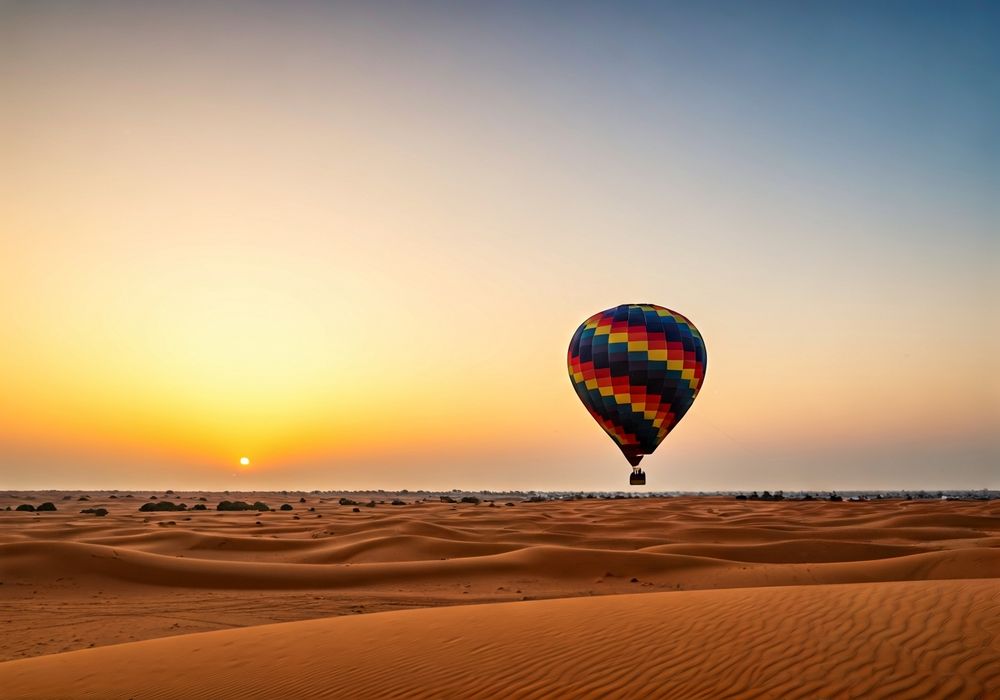
Look for a clear starting point and a realistic end time. Vague timing can make it hard to plan meals, prayer times, naps, or other commitments. If transport is part of the outing, confirm where the day begins and where it ends. Also check whether the listed duration includes travel from the city or only the time spent at the desert site. That distinction matters, because two options with similar descriptions can feel quite different once travel is counted.
Build in a little breathing room around the booking. Desert conditions, traffic, and group movement can affect the schedule. If you have another fixed commitment later, avoid choosing an option that ends right up against it. A flexible buffer keeps the day from feeling rushed and gives you time to change clothes, rest, or get back to your hotel without pressure.
Read the camel ride details carefully
The camel ride is the central feature for many travellers, so it is worth reading beyond the headline. Check how long the ride lasts, where it takes place, and whether it is a short photo opportunity or a more substantial desert ride. A brief ride can still be memorable, but it may disappoint someone who expects a long journey across the dunes.
Ask how the ride is managed for different experience levels. First-time riders may want a calm animal and clear instructions before setting off. Confident riders may prefer a longer route. If children are joining, check any age or height rules and whether the ride is shared or private. These details help you judge whether the experience will feel comfortable rather than rushed.
Safety and handling should be taken seriously. A camel is a large animal, and even a gentle ride involves mounting, dismounting, and movement over uneven ground. Listen to instructions, keep hands and feet positioned as directed, and avoid sudden movements that could unsettle the animal. If anyone in your group feels nervous, it is better to say so before the ride begins. A reputable arrangement will make expectations clear and give riders time to settle.
Browse the information on cameldesertsafaridubai.com with a practical eye, focusing on the parts that affect your day rather than decorative wording. Look for details that answer real questions: what happens first, how long each part lasts, what is included, and what guests need to bring. Clear information is a useful sign because it reduces guesswork before arrival.
Look at the group size and level of structure
Group size changes the feel of a desert outing. A larger group can feel lively and social, with more activity around the camp. A smaller group may feel quieter and more personal. Neither is better by default. Choose based on whether you enjoy shared energy or prefer space and calm.
Consider how the day is structured. Some outings follow a set sequence, while others leave more time for wandering, photos, or resting. A fixed plan can be helpful if you want to know exactly what is happening. A looser plan can be better if you value spontaneity. The trade-off is simple: more structure usually brings predictability, while more free time depends on you knowing how to use it.
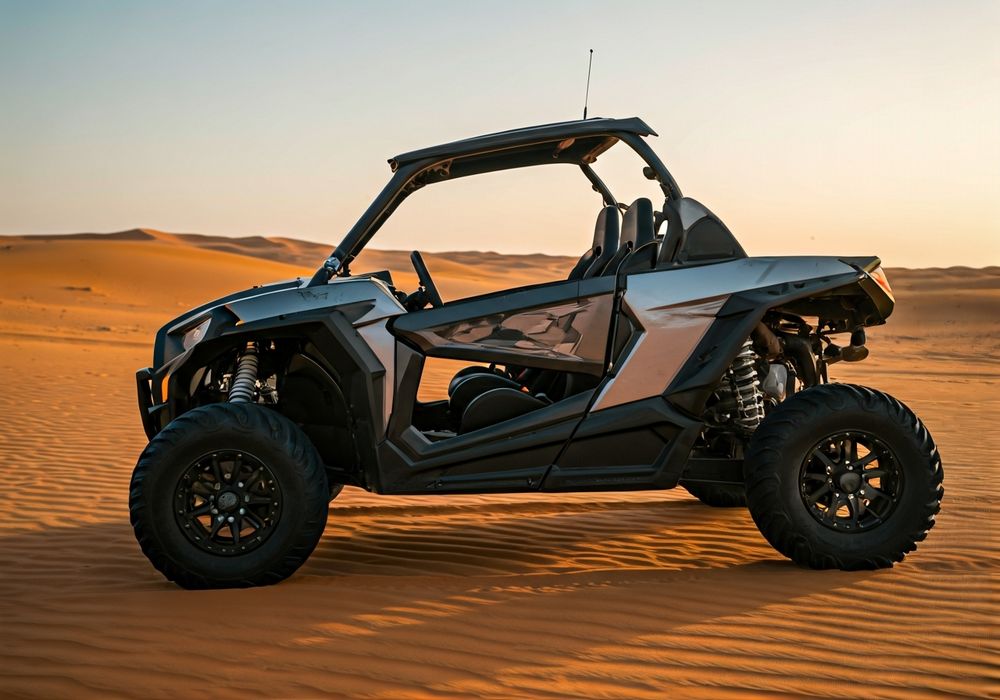
If you are travelling as a family, check whether the schedule includes quiet areas and whether activities are easy to join or skip. If you are travelling with friends, think about whether everyone wants the same level of activity. It is common for one person to want thrill-seeking moments while another prefers a slower afternoon. The right option should let both feel included without pressure.
Compare inclusions without losing sight of comfort
Inclusions can make comparison easier, but they should not be the only deciding factor. A longer list of activities does not always mean a better day. Look at the quality of the experience described and whether the schedule allows enough time to enjoy each part. Rushed activities can feel like a checklist, even when the list looks impressive.
Food is a common part of desert outings, so check whether a meal is included and what kind of setting is described. If you have dietary needs, raise them before booking rather than assuming they can be handled on the day. Water and shade also matter, especially during warmer months. A comfortable outing should make it easy to hydrate and take short breaks.
Entertainment can add to the atmosphere, but it can also change the mood. If you want a peaceful desert setting, look for an option that keeps music and performances limited or optional. If you enjoy lively evenings, check what is offered and when it happens. The aim is to align the day with your idea of a good experience, not to collect extras you do not need.
Check practical rules before you book
Before making a decision, read the booking terms and any visitor rules. Pay attention to cancellation conditions, meeting arrangements, and what happens if plans change. Clear rules are not meant to discourage you. They help both sides understand what is expected.
Also check what you need to bring. Sun protection, comfortable clothes, closed footwear, and a small bag for essentials are sensible for many desert visits. A camera or phone is useful, but it should be carried securely during the ride. Loose scarves, dangling accessories, and unstable bags can become awkward around animals and sand, so keep things simple.
Accessibility is another practical point. uneven sand can be difficult for people with mobility needs, and some areas may involve steps or walking over soft ground. If anyone in your group has a specific need, ask before booking and choose an option that can accommodate it clearly. Guesswork at the site is rarely comfortable.
Make a final comparison that favours clarity
Once you have narrowed the field, compare your shortlisted options side by side using the same criteria. Look at timing, ride length, group size, included activities, food arrangements, transport, and visitor rules. If one option is vague about several of these points, be cautious. Clear communication before the day usually leads to a smoother experience.
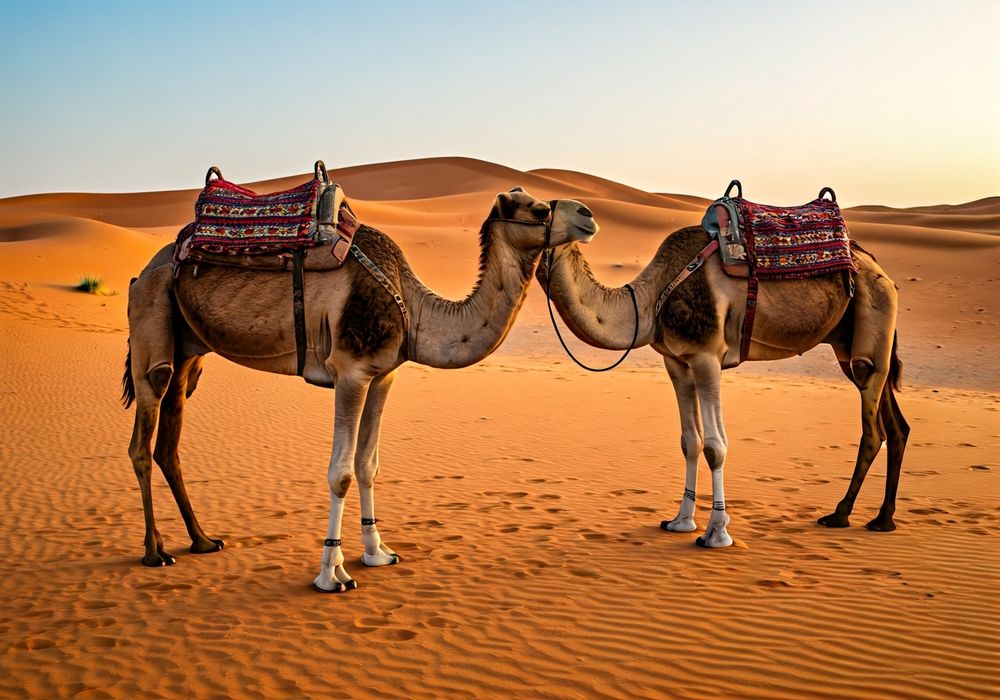
It can help to picture the day in order: arrival, briefing, ride, breaks, activities, meal, and return. If that sequence feels comfortable on paper, it is more likely to feel comfortable in real life. Pay attention to any gaps where you would be waiting without shade or rushing between parts. Those small details often matter more than the wording of a package title.
When you are ready, choose the option that best matches your priorities rather than the one with the most promises. A good Camel Desert Safari Dubai plan should feel clear, balanced, and suited to your group. If the information is easy to understand and the itinerary respects your time, you are far more likely to enjoy the desert without avoidable stress.
Keep your expectations realistic and your questions specific. Ask about the ride, the schedule, the setting, and the practical details that affect comfort. With those points settled, the choice becomes much simpler, and the day can be enjoyed for what it should be: a memorable desert experience paced around the people taking part.